Defy Winter: Enjoy Fresh Jalapenos Year-Round
Imagine a crisp winter morning, snow blanketing the ground, and a warm breakfast simmering on your stove. You reach for a vibrant green, firm jalapeno, freshly plucked from a living plant just a few feet away. No trip to the grocery store, no compromise on freshness or flavor. Sound like a dream? It doesn't have to be. With a little care and the right setup, you can cultivate Grow Spicy Jalapenos Indoors All Winter Long, ensuring a steady supply of these spicy gems, no matter what the weather outside is doing.
The joy of growing your own food is immeasurable, and bringing that experience indoors during the colder months extends the gardening season indefinitely. Among the many plants that adapt well to an indoor environment, the humble jalapeno stands out. It's surprisingly resilient and rewarding, making the little jalapeno plant that could grow all winter long not just a hopeful phrase, but an achievable reality for any home gardener, from novice to seasoned pro.
The Magic of Indoor Jalapeno Cultivation
Taking your jalapeno plants indoors when temperatures drop is the first step towards year-round enjoyment. This transition protects them from harsh frosts and allows them to continue their growth cycle. But successful indoor cultivation requires more than just bringing a plant inside; it demands understanding its core needs in a new environment. Think of it as providing a miniature, controlled climate zone right in your home.
Selecting the Right Pot and Soil
For your jalapeno plant to truly thrive and become the little jalapeno plant that could grow all winter long, it needs adequate space for its root system. A pot that is at least 2-3 gallons in size is ideal for a single plant, though larger is always better if you have the space. Ensure the pot has excellent drainage holes to prevent waterlogging, which is a common killer of indoor plants.
- Pot Size: Aim for a minimum of 8-10 inches in diameter for mature plants.
- Material: Terracotta pots allow for better air circulation to the roots, but plastic pots retain moisture longer, which can be beneficial in dry indoor environments.
- Soil Mix: Use a high-quality, well-draining potting mix specifically formulated for container plants. You can amend it with perlite or vermiculite to further improve drainage and aeration. Avoid using garden soil, as it can compact in pots and introduce pests.
Lighting Up Your Winter Garden
Light is perhaps the most critical factor for indoor plant growth, especially for a fruit-producing plant like a jalapeno. The short, dim days of winter simply don't provide enough natural light through a window to sustain fruit production. This is where artificial grow lights become indispensable.
- Type of Light: Full-spectrum LED grow lights are highly recommended. They are energy-efficient, produce minimal heat, and provide the broad spectrum of light plants need for photosynthesis, flowering, and fruiting.
- Light Duration: Jalapenos need at least 12-16 hours of strong light per day to produce fruit. Use an automatic timer to ensure consistency.
- Placement: Position the grow light approximately 6-12 inches above the plant canopy. Adjust the height as the plant grows to maintain optimal distance, preventing stretching or burning.
Nurturing Your Winter Wonder: Care Tips for Continuous Production
Once your jalapeno plant is settled in its indoor environment with adequate light and soil, the focus shifts to consistent care that promotes ongoing health and fruit production. This steady attention is what truly empowers the little jalapeno plant that could grow all winter long to deliver those desired fresh peppers.
Watering Wisdom
Indoor plants often require different watering schedules than their outdoor counterparts. It's easy to overwater indoors, leading to root rot. Conversely, too little water will stress the plant and reduce yield.
- Frequency: Water thoroughly when the top inch of soil feels dry to the touch. Let excess water drain out of the pot's bottom. Never let the pot sit in standing water.
- Method: Water slowly until water begins to drain from the bottom.
- Humidity: Indoor heating can create very dry air. Jalapenos appreciate moderate humidity. Consider misting your plant a few times a week or placing the pot on a pebble tray filled with water (ensure the pot itself isn't sitting in the water).
Feeding Your Fruitful Friend
To sustain continuous fruiting, your jalapeno plant will need regular nutrient replenishment. The potting mix will only provide nutrients for so long.
- Fertilizer Type: Start with a balanced liquid fertilizer (e.g., 5-5-5 or 10-10-10) once every 2-4 weeks during its active growing phase. Once the plant starts to flower and set fruit, switch to a fertilizer higher in phosphorus (the middle number) to encourage blooming and fruit development.
- Application: Always follow the dilution instructions on the fertilizer package to avoid over-fertilizing, which can burn the roots.
Pruning for Peak Performance
Pruning is essential for maintaining plant health, shape, and productivity, especially for the little jalapeno plant that could grow all winter long in a confined indoor space.
- Topping: When your plant is about 6-8 inches tall, you can "top" it by pinching off the main growing stem. This encourages the plant to branch out, creating a bushier, more compact plant with more fruiting sites.
- Removing Suckers: Remove any small shoots that grow in the "armpits" (axils) where a branch meets the main stem. These are called suckers and can divert energy from fruit production.
- Dead or Yellowing Leaves: Regularly remove any yellow, diseased, or dead leaves to improve air circulation and prevent pest or disease issues.
Harvesting and Beyond: Maximizing Your Winter Yield
The ultimate reward for your dedication to the little jalapeno plant that could grow all winter long is a steady supply of fresh, homegrown peppers. Understanding when and how to harvest them correctly will not only ensure the best flavor but also encourage your plant to produce even more.
Identifying Ripe Jalapenos
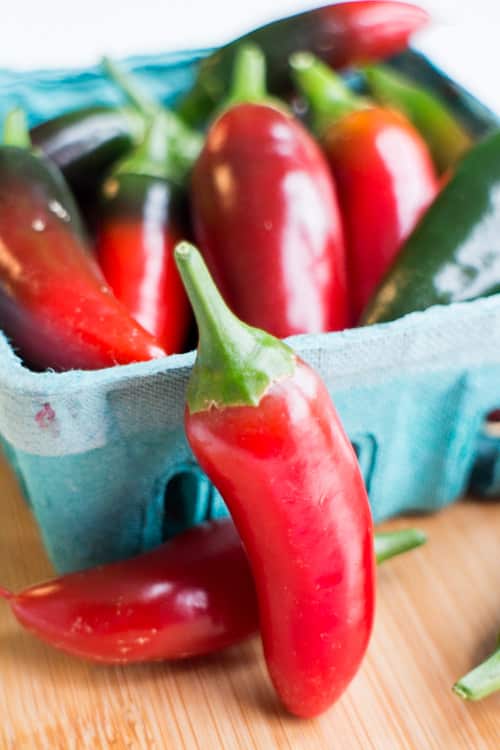
Jalapenos are typically harvested when they are a deep green color, firm to the touch, and have reached their mature size, usually 3-4 inches long. While they can be eaten green, some varieties will eventually turn red if left on the plant, often developing a sweeter and slightly hotter flavor. Many growers also look for "corking" – fine, light brown lines that appear on the skin of the pepper. This is a sign of maturity and stress, often indicating a hotter pepper.
The Art of Harvesting
Harvesting your jalapenos regularly is key to encouraging continuous production. When you pick a pepper, the plant redirects its energy into producing more flowers and, consequently, more fruit. Winter Jalapeno Harvest: Keep Your Plant Producing discusses this in more detail.
- Method: Use clean pruning shears, sharp scissors, or a sharp knife to snip the stem just above the cap of the pepper. Avoid pulling or tearing the peppers, as this can damage the plant.
- Gloves: Always consider wearing gloves when handling jalapenos, especially when harvesting multiple peppers, as the capsaicin oil can irritate your skin.
Pest and Disease Patrol (Indoor Specific)
Even indoors, your plants aren't entirely immune to pests. Common indoor culprits include spider mites, aphids, and fungus gnats. Regular inspection is your best defense.
- Inspection: Check the tops and undersides of leaves weekly for any signs of pests (tiny webs, sticky residue, small insects).
- Prevention & Treatment: Good air circulation (a small fan helps), proper watering, and wiping down leaves can prevent many issues. For infestations, use organic solutions like neem oil spray or insecticidal soap, following product instructions carefully.
The Culinary Rewards of Year-Round Freshness
The true delight of nurturing the little jalapeno plant that could grow all winter long comes when you incorporate its bounty into your cooking. Fresh jalapenos have a crispness and a vibrant flavor that store-bought, often days-old, peppers simply cannot match. You'll also have the satisfaction of knowing exactly how your food was grown.
Beyond the Pico: Creative Uses
Having fresh jalapenos at your fingertips opens up a world of culinary possibilities:
- Classic Preparations: Slice them fresh for tacos, nachos, sandwiches, and salads to add a zesty kick.
- Stuffed Peppers: Hollow out larger jalapenos and stuff them with cream cheese, bacon, or a savory mix of grains and vegetables, then bake or grill.
- Jalapeno Poppers: A crowd-pleaser! Cut them in half, remove seeds (for less heat), fill with cream cheese and cheddar, wrap in bacon, and bake until crispy.
- Pickling: Preserve your harvest by pickling slices of jalapeno. They make a fantastic addition to deli sandwiches, hot dogs, and charcuterie boards.
- Hot Sauces and Jellies: Experiment with homemade hot sauces or unique jalapeno jellies, perfect for gifting or enjoying with cheese and crackers.
- Infused Oils/Vinegars: Add sliced jalapenos to olive oil or vinegar for a flavorful infusion.
The continuous availability of fresh jalapenos means you can elevate everyday meals and experiment with new recipes, bringing a burst of sunshine and spice to even the dreariest winter days.
Bringing a jalapeno plant indoors for the winter is more than just a gardening hack; it's a commitment to fresh flavors and sustainable living. From selecting the right pot and providing ample light to consistent watering and timely harvests, each step contributes to the success of your indoor endeavor. With a little effort and attention, the little jalapeno plant that could grow all winter long will become a thriving, productive member of your indoor garden, showering you with spicy rewards and the profound satisfaction of year-round homegrown goodness. So, go ahead, defy winter and embark on your own indoor jalapeno adventure!
