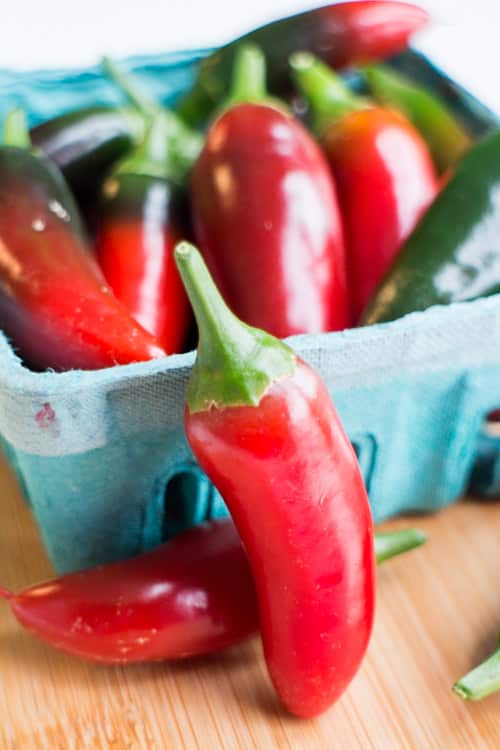
The biting chill of winter often ushers in a period of dormancy for gardeners, a time when fresh, homegrown produce feels like a distant summer memory. But what if you could defy the frost and continue to pluck vibrant, spicy jalapenos from your very own plant, right in the heart of winter? Imagine the satisfaction of adding a kick to your meals with peppers harvested from the little jalapeno plant that could grow all winter long on your windowsill or under a grow light. It’s not just a dream; it’s an achievable reality. With a bit of know-how and consistent care, your jalapeno plant can thrive indoors, offering a continuous harvest that brightens even the greyest days. This guide will help you keep your beloved pepper plant producing through the colder months.
Embracing Indoor Cultivation: Why Winter Jalapenos are a Game-Changer
There's an undeniable magic in enjoying fresh, homegrown produce when the world outside is covered in snow. Growing jalapenos indoors during winter offers numerous benefits beyond just a continuous supply of peppers. It connects you to nature, provides a rewarding hobby, and ensures you have control over what goes into your food. Store-bought peppers often lack the vibrant flavor and firm texture of home-grown varieties, and let's not forget the cost savings over time. Furthermore, nurturing a living plant indoors can boost mood and add a touch of green to your home when everything else is bleak.
Jalapeno plants are surprisingly resilient and adaptable, making them excellent candidates for indoor cultivation. They appreciate consistent conditions, which are often easier to maintain in a controlled indoor environment than facing the unpredictable elements outdoors. The key is to replicate their preferred summer conditions as closely as possible, ensuring your plant has everything it needs to transition from outdoor abundance to indoor productivity.
Selecting the Right Plant and Pot for Indoor Success
For a successful winter harvest, starting with an established, healthy jalapeno plant is often easier than starting from seed in winter. If you have an outdoor plant that has been producing well, carefully transition it indoors before the first hard frost. Look for a plant that is free from pests and diseases and shows signs of robust growth.
- Potting Up: Choose a pot that is at least 2-3 gallons (around 8-12 liters) in size, with excellent drainage holes. Terracotta pots can be beneficial as they allow the soil to breathe, but plastic pots also work well. Ensure the pot is sturdy enough to support the plant as it grows and fruits.
- Soil: Use a high-quality, well-draining potting mix. A good mix will often contain a blend of peat moss or coco coir, perlite, and compost. Avoid using garden soil, as it can compact in pots, retain too much water, and introduce pests or diseases.
- Transitioning: Before bringing an outdoor plant inside, give it a good spray with an organic insecticidal soap or neem oil solution to prevent hitchhiking pests. Gradually introduce it to indoor conditions over a week or two, if possible, moving it to a sheltered spot before bringing it fully inside.
Essential Care for Keeping Your Jalapeno Plant Producing All Winter Long
Once your jalapeno plant is comfortably settled indoors, consistent and attentive care becomes paramount. Replicating the warmth, light, and nutrients it would naturally receive outdoors is crucial for a continuous winter harvest, ensuring the little jalapeno plant that could grow all winter long truly thrives.
Lighting: The Most Critical Factor
Light is the most critical factor for fruit production. Winter days are shorter and sunlight is weaker, meaning a sunny windowsill often isn't enough. Jalapenos need at least 6-8 hours of direct, intense light daily to flower and fruit effectively.
- Grow Lights: Investing in a good quality grow light is highly recommended. Full-spectrum LED grow lights are energy-efficient and provide the necessary spectrum. Position the light 6-12 inches (15-30 cm) above the canopy, adjusting as it grows.
- Duration: Aim for 12-16 hours of light per day, mimicking summer conditions. Use a timer for consistency.
- Window Supplement: Even with grow lights, a bright south-facing window offers supplementary natural light, especially on clear winter days.
Temperature, Humidity, and Watering
Maintaining stable environmental conditions helps reduce stress on your plant.
- Temperature: Jalapenos prefer temperatures between 65-80°F (18-27°C) during the day and no lower than 60°F (15°C) at night. Avoid placing your plant near drafty windows, heating vents, or exterior doors where temperatures can fluctuate wildly.
- Humidity: Indoor heating can dry out the air considerably, which peppers don't appreciate. Aim for 50-70% humidity. You can increase humidity by using a pebble tray filled with water beneath the pot (ensure the pot isn't sitting directly in water), misting the leaves occasionally (especially in the mornings), or using a small room humidifier.
- Watering: This is where many indoor growers struggle; overwatering is a common killer. Allow the top inch or two (2.5-5 cm) of soil to dry out completely before watering. Perform the finger test to check. Water thoroughly until it drains from the bottom, discarding excess from the saucer to prevent root rot.
Nutrients and Pollination
Just like light, nutrients and pollination are vital for fruit set.
- Fertilizing: Indoor plants in pots deplete soil nutrients faster. Use a balanced, all-purpose liquid fertilizer initially, then switch to a fertilizer higher in phosphorus (P) and potassium (K) once flowering begins (e.g., a "bloom" or "tomato" fertilizer). Follow package directions, usually feeding every 2-4 weeks during active growth and fruiting. Reduce feeding frequency if the plant's growth slows significantly.
- Pollination: Indoors, you won't have bees or wind to do the job. You'll need to manually pollinate. Gently tap the plant stems a few times a day to release pollen, or use a small, soft paintbrush or cotton swab to transfer pollen from one flower to another. Do this when flowers are open, usually in the morning.
Pruning for Peak Productivity: Keep Your Plant Producing
Pruning is crucial for maintaining a healthy, productive indoor jalapeno plant. It directs energy towards fruit, improves air circulation, and helps manage pests.
- Remove Spent Flowers and Fruit: Regularly harvesting ripe peppers and removing any flowers that have wilted without setting fruit encourages the plant to produce more.
- "Topping" for Bushier Growth: If your plant is getting too tall and leggy, you can "top" it by pinching off the main stem's growing tip. This encourages branching, leading to a bushier plant with more potential flowering sites.
- Remove Suckers and Lower Leaves: Prune off any suckers (shoots growing in the crotch of two branches) that aren't contributing to the main structure. Also, remove yellowing, damaged, or diseased lower leaves to improve airflow and prevent fungal issues.
- Winter Pruning Strategy: If your plant was moved indoors from outdoors and is very large, consider a more aggressive prune. Remove any weak or unproductive branches, aiming for an open structure. This helps the plant redirect energy into new, stronger growth suitable for indoor conditions.
Troubleshooting Common Winter Woes
Even with the best care, you might encounter some challenges. Understanding these common issues can help you quickly get your little jalapeno plant that could grow all winter long back on track:
- Flower Drop: Often due to insufficient light, low humidity, erratic watering, or lack of pollination. Review your lighting schedule, increase humidity, ensure consistent watering, and manually pollinate.
- Yellowing Leaves: Can indicate overwatering (most common), nutrient deficiency (especially nitrogen), or sometimes underwatering. Check soil moisture and feeding schedule.
- Slow Growth/No Fruit: Almost always a light issue. Increase light intensity or duration. Also, ensure proper temperature and nutrient supply.
- Pests: Indoor plants can attract spider mites, aphids, or whiteflies. Regularly inspect your plant, especially the undersides of leaves. Treat early with neem oil spray or insecticidal soap, following product instructions. Good air circulation also helps deter pests.
Keeping your jalapeno plant producing throughout winter is a rewarding endeavor, bringing summer's warmth and flavor into your home. By providing adequate light, consistent watering, appropriate nutrients, and pollination, you can ensure a steady supply of fresh, spicy peppers. Imagine the delight of adding homegrown jalapenos to your winter chili or salsa – a testament to your green thumb and your resilient little jalapeno plant that could grow all winter long. So, nurture it and enjoy the vibrant harvest!
